Welcome to the Netherlands – Your Expat Survival Guide as a South Africa but actually any new expat. But I might throw in a few Specific things for South Africans in between.
Moving from South Africa to the Netherlands is exciting, challenging, scary and full of new systems to understand. Whether you’re coming for work, study, or love – this guide will walk you through the most important first steps you need to take, what to expect, and tips to settle in as smoothly as possible.
Register at Your Local Gemeente (Town Hall)
If you’re planning to stay longer than four months or you’re actually moving here to start a new life, the first official step is to register with the municipality (gemeente) in the area where you’ll be living. You must do this within five days of arrival.
Why this matters?
When you register:
- You’re added to the Dutch population system (BRP)
- You will receive your Burgerservicenummer (BSN) – a citizen service number essential for life in the Netherlands
What your BSN lets you do
With your BSN you can:
- Open a bank account
- Get health insurance
- Start working and pay taxes
- Sign up for utilities and phone plans
- Enroll in school or university
Tip: Make your appointment before you arrive if you can, because slots in big cities like Amsterdam fill up quickly.
Bring these to your gemeente appointment:
- Passport
- Proof of address (rental contract)
- Birth certificate and translations if needed
- Any visa or residence permit
- If you’re married, you will need an un-abridged marriage certificate to prove you’re married.
Open a Dutch Bank Account – I recommend BUNQ
You’ll need a bank account for rent, salary, bills, daily life and more. A great expat-friendly option is BUNQ, which lets you start banking even before you get your BSN number.
Why choose BUNQ?
- Open an account online within minutes (no paperwork)
- Start without a BSN – you have 90 days to add it later
- App and support available in English
- Easy international transfers and transparent fees
Other bank options
Traditional banks like ABN AMRO and ING also offer expat services, but BUNQ is often faster and easier for new arrivals.
Finding a Place to Live
Housing in the Netherlands – especially Amsterdam and bigger cities is COMPETITIVE. There is a huge housing crisis in the Netherlands and everyone is struggling to find a home. And rent is expensive in the big cities. It’s often cheaper to find a place just outside of the bigger cities if you look in villages for example. Also remember that there are thousands of people looking and applying at the same time. You almost have to give a kidney to find a place to rent. So you have to be quick. Best thing to do is setup all your filters and save it with notifications every day. So as soon as something gets listed, apply immediately. Screw that work meeting you’re in. Apply for the place if you like it straight away. Also write a cover letter you submit with your application. Have all of that stuff ready.
Where is the best place to look for housing?
Funda – this I would say is the number one website I would recommend.
With Funda you can easily filter by location, price, pets allowed etc. You can also setup all your filters and the area you’re looking in and then you can setup notifications. So each day when something new pops up, apply IMMEDIATELY.
South African Expat Agents
Very helpful.
Pararius
I didn’t find Pararius so helpful. I found it hard to use, there weren’t so many options and I never got a reply back from anyone.
Marktplaats
Helpful but scams.
Facebook Marketplace
There are a lot of places listed here. But there are a LOT of scams. Sometimes the person listing the apartment would ask you to pay a deposit or something so that they “keep” the place for you. And then they disappear. Rather go though a website like Funda.
Be ready with documents: passport, proof of income, previous rental references
Expect 1 – 3 months deposit (often required)
Embrace Dutch Mobility
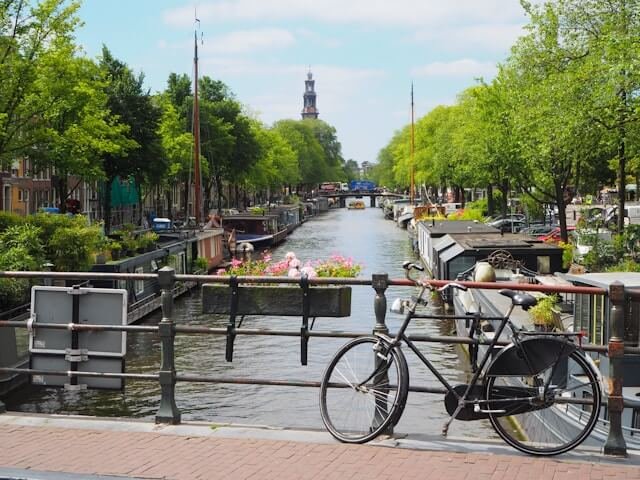
Getting a bike is almost essential – it’s how most people get around! Or you can use public transport.
- Buy second-hand on Marktplaats or local groups
- Try rental options like Swapfiets
- Always bike in bike lanes and lock securely (bike theft is common)
Set Up Health Insurance & Healthcare
Dutch law requires everyone living in the Netherlands to have basic health insurance. Once you have a BSN, choose a plan and register – you have four months from your registration date to sign up.
Best place to sign up for healthcare is Independer.
Phone, Internet & Utilities
Having a Dutch phone number and internet connection helps with:
Job applications
Banking verification
Registering for services
Often you’ll need your BSN and bank account to sign up for a contract.
Understand Work & Tax Basics
If you’re employed, your BSN will be used for tax, salary reporting, and social security. Expats may also qualify for incentives like the 30% tax ruling, so it’s worth learning about Dutch tax benefits early.
Best Places to Shop & Everyday Life
Here are go-to places expats tend to love:
Albert Heijn — largest supermarket chain
Jumbo, Lidl, Aldi — other grocery options
HEMA & Blokker — everyday household goods
Marktplaats.nl — second-hand furniture/equipment marketplace
Connect Locally
Joining local expat groups, clubs, and activities helps you build community and settle faster. Search for groups on Facebook or Meetup in your city. Here’s my guide to the South African community in the Netherlands.
And when you need a break from the city, here are some weekend getaways from Amsterdam for a nature escape.
Final Checklist for Your First Month
✔ Register with gemeente & get BSN
✔ Open bunq bank account
✔ Find health insurance
✔ Sign your rental agreement
✔ Get phone & internet
✔ Learn local transport & buy a bike
✔ Join expat communities
Keep reading: your visa options for moving here, buying a house in the Netherlands, getting your Dutch driver’s license, using your South African driving licence here, where to find the best boerewors, where to buy South African food and how easy Dutch is for Afrikaans speakers.