Thinking about moving from South Africa to the Netherlands? The first question is always the same: how do you actually get to live and work here? The answer depends on your situation, but for most South Africans it comes down to a handful of routes. Here’s a plain-English overview.
Short answer: most South Africans move here through a job with a recognised Dutch employer (the highly skilled migrant permit or EU Blue Card), a partner who lives here, studies, or the orientation year for recent graduates. As a South African you need a residence permit, and usually an entry visa called an MVV, before you move.
I’m not an immigration lawyer. Rules and amounts change, so always check the IND website for your situation. Last checked: September 2026.
First: short stays vs moving here
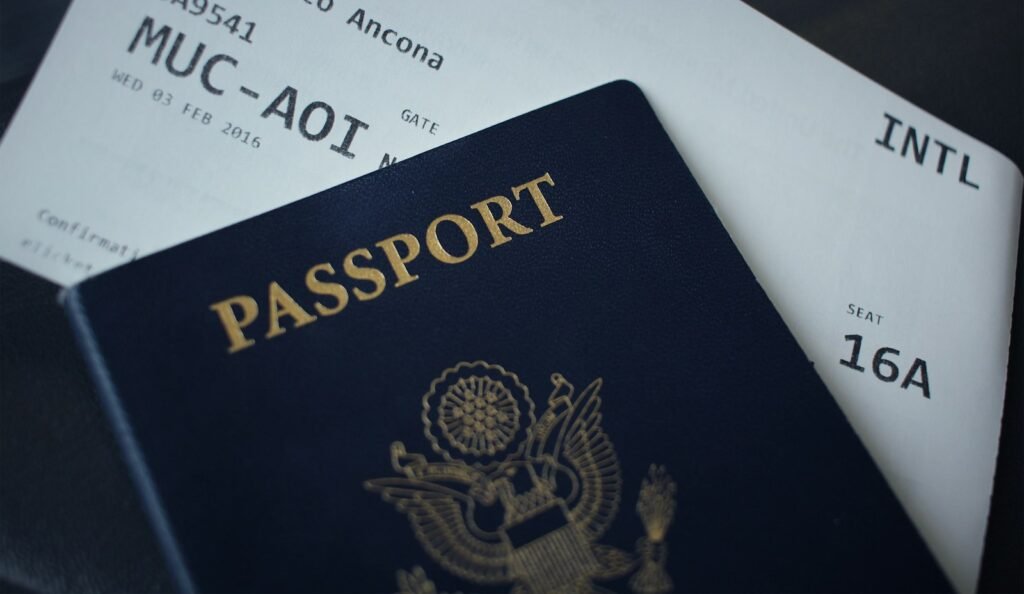
With a South African passport you need a Schengen visa just to visit the Netherlands. To live here, you need a residence permit for a specific purpose, like work, study or family. In most cases you also need an MVV (machtiging tot voorlopig verblijf), a long-stay entry visa, before you travel. Often your employer or partner can apply for both at the same time.
1. Highly skilled migrant (kennismigrant)
This is the most common route for South Africans. You get a job offer from an employer that the IND has recognised as a sponsor, and the employer applies for your permit. You don’t apply yourself.
The main condition is salary. From 1 July to 31 December 2026, the IND’s minimum gross monthly salary (excluding holiday allowance) is:
- €5,942 if you are 30 or older
- €4,357 if you are younger than 30
- €3,122 under the reduced criterion, for example if you recently graduated or held an orientation year permit
The permit lasts as long as your contract, up to 5 years, and your partner and children can come with you. Highly skilled migrants may also qualify for the 30% ruling, a Dutch tax advantage for expats that also lets you exchange your South African driving licence.
2. EU Blue Card
The EU Blue Card is similar, but it’s an EU-wide scheme for highly qualified workers with a higher education degree. The 2026 salary requirement is €5,942 gross per month, or €4,754 under the reduced criterion. It can make moving to another EU country later easier, which the Dutch highly skilled migrant permit doesn’t.
3. Orientation year (zoekjaar)
Recently graduated? The orientation year permit gives you one year to find a job or start a business in the Netherlands, and you can work freely during that year. You qualify if, within the last 3 years, you:
- Finished a bachelor’s or master’s at a Dutch university, or
- Got a master’s degree (or PhD) from a foreign university in the top 200 of the Times Higher Education, QS or ShanghaiRanking lists
A few South African universities have appeared in those top 200 lists, so it’s worth checking whether yours qualifies for your graduation year. The permit can’t be extended, but if you find a job, the lower reduced salary criterion applies to your highly skilled migrant permit.
4. Joining your partner
If your partner is Dutch or already lives here with a residence permit, you can apply to live with them. Your partner has to meet an income requirement.
One thing that catches South Africans out: you usually have to pass the civic integration exam abroad before you can apply for your MVV. Nationals of some countries (like the EU, UK, US, Canada, Australia and New Zealand) are exempt, but South Africans are not. The good news: if you speak Afrikaans, the Dutch part is a lot easier.
5. Self-employed
You can come here to run your own business, but it’s not easy. Your business has to serve an essential Dutch interest, which is assessed with a points system, and you need to earn enough from it (the IND’s 2026 figure is about €1,767 gross profit per month). Note that the Dutch-American Friendship Treaty, the easier route many Americans use, doesn’t apply to South Africans.
6. Studying in the Netherlands
A place at a Dutch university or university of applied sciences gets you a student residence permit, with the institution acting as your sponsor. After graduating you can use the orientation year to look for work.
7. Dutch roots?
If one of your parents is or was Dutch, you might already be Dutch, or be able to become Dutch more easily. It depends on the details, so check the IND’s information on becoming a Dutch national before you go down any of the other routes.
Tips before you apply
- Start with your documents. Dutch authorities often ask for official documents like birth and marriage certificates to be legalised or apostilled. South Africa uses the apostille system, and getting it done can take a while.
- Check your employer is a recognised sponsor. The IND publishes a public register of recognised sponsors.
- Plan for the first weeks. Once you arrive you’ll need to register at your gemeente, get your BSN and open a bank account.
FAQ
Do South Africans need a visa for the Netherlands?
Yes. You need a Schengen visa for short visits, and a residence permit (usually with an MVV) to live here.
What is the easiest way to move from South Africa to the Netherlands?
For most people it’s a job with an IND-recognised employer under the highly skilled migrant scheme, because the employer handles the application.
Do South Africans have to do the civic integration exam abroad?
For partner and family migration, usually yes. South Africa isn’t on the list of exempt countries.
Once you’ve landed, read my Netherlands survival guide for South African expats.