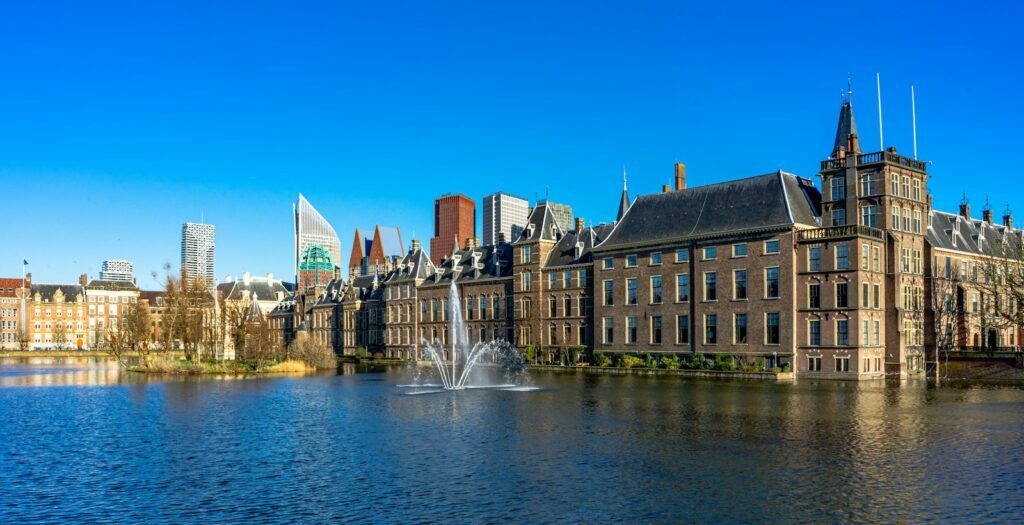
Every year on the third Tuesday of September, the Netherlands finds out what next year will cost. This year Prinsjesdag fell on 15 September 2026, and the plans for 2027 are out. If you’re an expat, here’s what matters for your wallet, in plain English.
Short answer: for most people 2027 will cost a little more. Income tax goes up slightly, health insurance gets more expensive, and solar panel owners lose the salderingsregeling. First-time home buyers and people buying a second property get some good news.
Keep in mind: these are the government’s plans. Parliament still has to approve them, so details can change before 1 January 2027.
What is Prinsjesdag?
Prinsjesdag (Budget Day) is when the King reads the Troonrede (the King’s speech) in The Hague and the government presents the Miljoenennota, its budget for the next year, together with the Belastingplan (tax plan). It’s basically the day everyone in the Netherlands googles “wat verandert er”.
Income tax
According to Veldsink’s overview, the income tax rates go up slightly:
- First bracket (up to about €39,200): from 35.75% to 36.23%
- Second bracket (about €39,200 to €78,400): from 37.56% to 38.16%
- The arbeidskorting (employment tax credit) goes up by up to €173, which softens the blow for people who work
The CPB (the government’s economic forecaster) expects most households to lose about 0.1% in purchasing power. Low-income households and pensioners do slightly better.
Health insurance
- The basic health insurance premium is expected to rise to about €169 a month, around €12.50 more than now. Insurers announce their actual prices in November.
- The eigen risico (your yearly deductible) goes from €385 to €400.
- The maximum zorgtoeslag (healthcare allowance) goes up too, to about €140 a month for singles.
This is a good reason to compare health insurance in November and December. You can switch until 31 December.
Housing
- Buying your first home? The price limit for the startersvrijstelling (no transfer tax for buyers under 35) goes up, so more starter homes qualify.
- Buying a second home or investment property? Transfer tax on homes that aren’t your main residence drops to 7%.
- Mortgage interest deduction: the maximum rate moves up with the second tax bracket, to 38.16%.
- Renters: huurtoeslag (rent allowance) keeps working without a maximum rent.
- The government is putting about €7 billion into speeding up house building.
Thinking of buying? Read my guide to buying a house in the Netherlands as an expat.
Energy and solar panels
- The salderingsregeling ends on 1 January 2027. If you have solar panels, you can no longer offset the power you send back to the grid against the power you use. Check what your energy supplier pays for the electricity you feed back.
- Energy tax rates on gas and electricity stay the same.
- Water tax goes up by about €10 a year for an average household.
- The discount on fuel tax at the pump is extended for another year.
Families
- The kinderopvangtoeslag (childcare allowance) goes up for working parents
- The kindgebonden budget phases out more slowly than originally planned
What about expats?
The biggest change for many expats isn’t new, but it does kick in on 1 January 2027: the 30% ruling becomes a 27% ruling for most people. I wrote a separate post about what the 27% ruling means for you.
Box 3, the tax on savings and investments, is still a mess. A new system based on actual returns keeps getting delayed, so watch this space.
What should you do now?
- November and December: compare health insurance for 2027 and switch before 31 December if it saves you money
- Solar panels? Look at your energy contract before January
- Buying soon? Check whether the higher startersvrijstelling limit helps you
- January: check your first payslip of 2027, especially if you have the 30% ruling
FAQ
When is Prinsjesdag?
On the third Tuesday of September. In 2026 it was on 15 September.
Do the Prinsjesdag plans apply immediately?
No. Most measures start on 1 January 2027, and only after parliament approves them.
Does income tax go up in 2027?
Slightly. Under the plans, the first bracket rate goes from 35.75% to 36.23% and the second from 37.56% to 38.16%, partly offset by a higher employment tax credit.
I’m not a tax advisor. This is a summary of the plans as reported after Prinsjesdag 2026. For the official details, see the Belastingplan 2027 on Rijksoverheid.nl.
New to the Netherlands? Start with my survival guide.