Last updated: 24 September 2026
Finding a place to live is the hardest part of moving to the Netherlands, and South Africans are often shocked by it. There are far more people looking than there are homes, rents are high, and the rules are completely different from renting in Cape Town or Joburg. Here’s how renting in the Netherlands works in 2026, where to look, what landlords ask for and how to avoid the scams.
Short answer: start looking early on Funda, Pararius and Kamernet, have your documents ready (passport, employment contract, payslips and an employer’s statement), and expect landlords to ask for a gross income of about three times the rent. The deposit is capped at two months’ rent, and you should never pay anything before you’ve seen the place and signed a contract.
Jump to the market, types of rentals, where to look, what landlords ask for, your rights, scams or the FAQ
The Dutch rental market in 2026
The Netherlands is short of about 410,000 homes, according to Pararius. New tenants paid an average of about €21 per square metre per month in early 2026, and in Amsterdam it’s closer to €28.50, so an 80 m² flat there easily costs €2,300 or more a month. Cities like Apeldoorn and Enschede cost roughly half as much.
Since new rent rules came in in July 2024, many private landlords have sold their rental homes, which has made the shortage in the private sector even worse. The best time to look is usually outside the August and September rush, when students and new employees flood the market.
Want to compare what it all costs? See the cost of living in the Netherlands vs South Africa.
Types of rental homes
| Sector | Rent (2026) | Good to know |
|---|---|---|
| Social housing | Up to about €933 a month | Rented by housing associations. Waiting lists are often 10 years or more, so this usually isn’t an option for newcomers. |
| Mid-rent | Between about €933 and €1,228 a month | Rents are capped by a points system based on the size and quality of the home. |
| Private (free) sector | Above about €1,228 a month | No maximum rent, but yearly increases are capped. This is where most expats end up. |
You’ll also see the words gemeubileerd (furnished), gestoffeerd (with flooring and curtains, but no furniture) and kaal (bare, sometimes without flooring or light fittings). Furnished places now make up a large share of the listings, which is handy when you arrive with just a few suitcases.
Where to look
- Funda and Pararius: the biggest websites for rental homes. Set up alerts, because good places are gone within days, sometimes hours.
- Kamernet and HousingAnywhere: rooms and shorter stays, handy while you look for something permanent.
- Rental agents (makelaars): some specialise in expats. An agent working for the landlord isn’t allowed to charge you a fee as well.
- Facebook groups and your network: many places are rented out before they’re even listed. Tell everyone you know that you’re looking, including the South African Facebook groups.
- Your employer: ask if they offer temporary housing or a relocation agent for your first months.
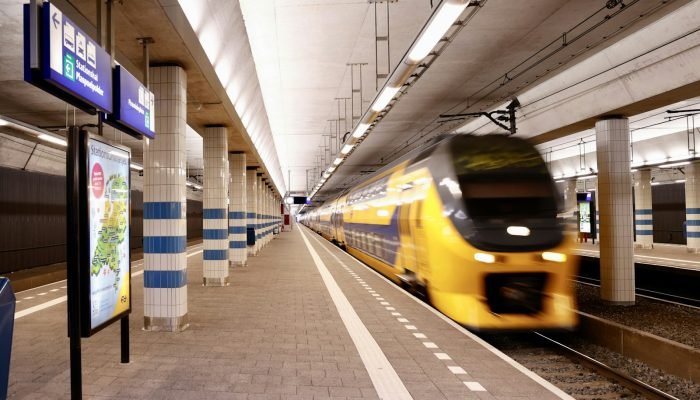
Consider looking outside the big cities too. Places like Haarlem, Amstelveen, Almere or smaller towns along a train line can save you a lot, and the Dutch trains make commuting easy.
What landlords ask for
Have these ready as a PDF before you start viewing, because landlords often pick the first good applicant:
- A copy of your passport and residence permit
- Your employment contract
- Your last three payslips, or a job offer if you’ve just arrived
- An employer’s statement (werkgeversverklaring) confirming your job and salary
- Your BSN (see how to get a BSN and open a Dutch bank account)
- A short introduction about yourself: who you are, what you do and why you’d be a good tenant
Most landlords expect a gross monthly income of at least three times the rent. As a newcomer without Dutch rental history, a strong employer’s statement helps a lot.
Your rights as a tenant
- Deposit: a maximum of two months’ basic rent, and you should get it back within two weeks of moving out (or 30 days if there’s damage).
- Contracts: since July 2024, permanent contracts are the norm. Temporary contracts are only allowed in specific situations, such as for students.
- Rent increases: capped once a year. For private sector homes the cap is linked to inflation or wage growth.
- Registration: you need to register at your address with the municipality, so make sure your landlord allows this before you sign.
- Disputes: the Huurcommissie (rent tribunal) handles disputes about rent, service costs and maintenance, for a small fee.
- Housing benefit (huurtoeslag): depending on your income and rent, you may qualify for help with your rent.
How to avoid rental scams
Rental scams are common, and newcomers who are desperate to find something are the main target. Red flags:
- The landlord is “abroad” and asks you to pay before a viewing
- The rent is much lower than similar places nearby
- You’re asked to pay the deposit by money transfer service or crypto
- There’s pressure to decide immediately, without seeing the contract
Always view the home (in person or by live video call with someone you trust), check the owner in the Land Registry (Kadaster) if in doubt, and only pay after signing a proper contract.
Thinking about buying instead?
If you’re staying long term, buying can be cheaper than renting, and expats with a permanent contract can get a mortgage. Read my expat guide to buying a home in the Netherlands.
FAQ: Renting in the Netherlands
How much does it cost to rent in the Netherlands?
It depends hugely on where. In Amsterdam, an 80 m² flat costs about €2,300 to €2,500 a month. In cities like Utrecht and Rotterdam it’s about €21 per m², and in the east of the country roughly half of Amsterdam prices.
How much do I need to earn to rent a flat?
Most landlords want your gross monthly income to be at least three times the rent. For a €1,800 flat, that’s €5,400 gross a month.
Can a landlord ask for more than two months’ deposit?
No. The maximum deposit is two months’ basic rent.
Can I rent a home before I arrive in the Netherlands?
It’s possible, especially with a relocation agent, but be extra careful about scams. Many South Africans rent a furnished place or a short-stay apartment for the first months and look for something permanent once they’re here.
Just arrived? Read my survival guide for your first weeks in the Netherlands.




One Response